Depths Unknown Junk Journal Pages: Navigating the Creative Currents of Ocean Fantasy
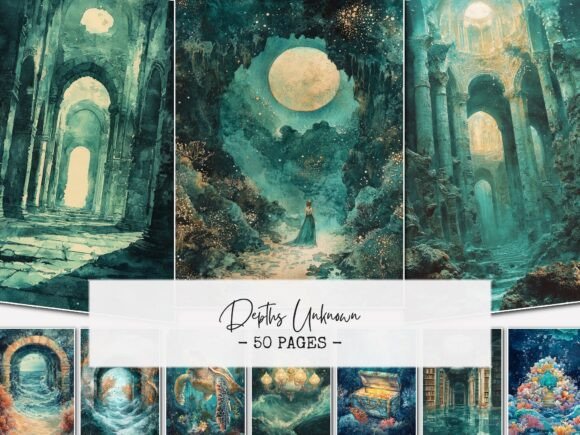
There is a distinct allure to the deep sea, a place where light fades into mystery and ancient ruins whisper stories of forgotten civilizations. For artists, scrapbookers, and journal enthusiasts, capturing this moody, aquatic atmosphere requires more than just blue paper; it demands texture, narrative depth, and high-quality visuals. This is where Depths Unknown Junk Journal Pages enters the creative conversation. As a 50-page ocean fantasy collection, it offers a curated escape into underwater realms, featuring everything from glowing sea life to drifting lanterns.
However, diving into digital printable packs can be tricky for both beginners and seasoned creators. Many users rush into downloading assets without considering resolution, aspect ratios, or thematic cohesion, leading to frustration during the printing or collage process. To help you make the most of this resource, we will explore common pitfalls in using digital junk journal supplies and how to avoid them, ensuring your final project reflects the ethereal beauty intended by the design.
Understanding the Value of High-Resolution Digital Assets
Before discussing specific mistakes, it is vital to understand what makes a printable pack valuable. Depths Unknown Junk Journal Pages is not merely a collection of clipart; it is a cohesive suite of backgrounds, elements, and textures designed for layering. The pack includes 50 high-quality pages at 300 DPI in JPG format. This specification is critical. Many free resources online offer low-resolution images that look crisp on a screen but pixelate horribly when printed. By choosing a professional-grade pack, you are investing in clarity and print readiness.
The thematic elements—ocean arches, treasure chests, and deep teal textures—are designed to evoke a sense of "moody coastal mythology." This specific aesthetic appeals to those creating nautical junk journals, mermaid-themed diaries, or fantasy storytelling layouts. Recognizing the intent behind the design helps you use the materials more effectively. If you treat these pages as generic blue backgrounds, you miss the opportunity to leverage the intricate details like the glowing bioluminescence or the weathered look of submerged ruins.
Common Mistakes When Using Printable Journal Kits
Even with high-quality assets, the final output depends heavily on how they are processed and applied. Here are several frequent errors creators make and how to correct them.
Ignoring Printer Settings and Paper Choice
One of the most significant oversights occurs at the printing stage. A common misconception is that any standard printer paper will suffice for junk journaling. In reality, standard copy paper is often too thin for mixed media crafts. When you apply glue, watercolor, or heavy embellishments, thin paper warps, tears, or becomes translucent, ruining the visual depth of the underlying image.
Better Approach: Use cardstock or mixed-media paper with a weight of at least 65lb to 80lb. Since Depths Unknown Junk Journal Pages features rich, dark teals and detailed textures, printing on bright white, heavy paper ensures the colors remain vibrant and the blacks stay deep. Additionally, always check your printer settings to ensure you are printing at "High Quality" or "Photo" mode to fully utilize the 300 DPI resolution provided in the download.
Overlooking the Importance of Layering
Junk journaling is an art of accumulation and depth. A frequent mistake is treating each page as a standalone image rather than a component of a larger composition. Users might paste a sea creature directly onto a background without considering scale or lighting, resulting in a flat, disjointed look. This is particularly problematic with fantasy themes where realism and dreaminess must balance.
Better Approach: Embrace the concept of collage layering. Use the deep teal textures as base layers, then add semi-transparent elements like drifting lanterns or faint water ripples before placing focal points like treasure chests or sea arches. Tearing the edges of your printed elements instead of cutting them cleanly can also help blend the digital assets into a tactile, handmade aesthetic. This technique mimics the organic, eroded feel of underwater ruins.
Misjudging Thematic Consistency
While it is tempting to mix various ocean-themed resources, combining clashing styles can dilute the impact of your journal. For instance, pairing the moody, mythical vibe of Depths Unknown with bright, cartoonish clipart creates visual dissonance. The pack is inspired by "moody coastal mythology," which implies a certain seriousness and atmospheric depth.
Better Approach: Stick to the palette and mood established by the pack. Complement the deep teals and glowing accents with neutral tones like sand, driftwood brown, or muted gold. If you are creating a mermaid theme, focus on the mysterious and ancient aspects rather than the playful or childish interpretations. This consistency enhances the storytelling quality of your journal, making it feel like a recovered artifact from the deep.
Maximizing Utility for Different Creative Projects
The versatility of this 50-page collection allows it to serve multiple purposes beyond traditional journaling. However, users often limit their creativity by sticking to conventional uses.
- Ocean Scrapbooking: Use the ocean arches and marine scenes as full-page backgrounds for vacation photos from coastal trips. The moody aesthetic adds a dramatic flair to standard beach snapshots.
- Fantasy Storytelling: Writers can use these pages as inspiration boards or character profiles. The imagery of glowing sea life and ruins can spark plot ideas for underwater fantasy novels.
- Mixed Media Crafts: Print smaller versions of the elements to create gift tags, bookmarks, or decoupage projects on wooden boxes. The high resolution ensures that even reduced sizes retain detail.
- Digital Planning: For those who prefer digital journaling on tablets, these JPGs can be imported directly into apps like GoodNotes or Procreate. The layers can be manipulated digitally to create unique spreads without physical waste.
What to Check Before You Buy and Download
Before committing to any digital product, including Depths Unknown Junk Journal Pages, there are practical checks you should perform to ensure satisfaction.
First, verify the file format and compatibility. This pack comes in JPG format, which is universally compatible but does not support transparent backgrounds. If you require transparent elements for complex digital compositing, you may need to use additional software to remove backgrounds manually. Understanding this limitation beforehand prevents frustration later.
Second, consider the volume of content. With 50 pages, this is a substantial collection. Ask yourself if you have the storage space and organizational system to manage these files. Creating a dedicated folder structure on your computer or cloud storage helps keep your creative assets accessible. Labeling files by theme (e.g., "textures," "creatures," "backgrounds") can save hours of searching during the creative process.
Finally, reflect on your current project needs. If you are working on a bright, cheerful spring journal, this moody ocean pack might not fit. However, if you are drawn to introspection, mystery, or nature’s darker beauty, this collection aligns perfectly. Ensuring thematic alignment between your creative intent and the asset’s style is the key to a satisfying artistic experience.
In conclusion, Depths Unknown Junk Journal Pages offers a rich, atmospheric resource for creators who appreciate the enigmatic beauty of the ocean. By avoiding common technical and aesthetic mistakes, you can transform these digital files into tangible works of art. Whether you are crafting a nautical journal, designing fantasy illustrations, or simply exploring mixed media techniques, paying attention to print quality, layering techniques, and thematic consistency will elevate your work. Dive in with preparation, and let the mysterious waters inspire your next creative endeavor.